


| Itchy skin in the summer is commonly caused by heat rash, insect bites, sun sensitivity, dry skin, outdoor allergens, swimmer’s itch, or sweat-induced hives. Heat and humidity can trap sweat under the skin, while bug bites, sun exposure, and plant allergens can trigger itching, bumps, hives, or a skin rash. |
Itchy skin in the summer often comes from the same things we enjoy most this time of year: sunshine, swimming, outdoor time, and warm weather.
The American Academy of Dermatology Association notes that summer skin issues can include heat rash, sun allergy, swimmer’s itch, poison ivy, and other itchy reactions. The Mayo Clinic explains that heat rash develops when sweat gets trapped under the skin, causing bumps, itching, and prickling.
At Frieder Dermatology, we help our patients figure out what is causing the itch and how to calm it. Our offices serve Boca Raton, Palm Beach Gardens, and Pompano Beach.
If you need a Boca Raton dermatologist for a summer rash, Dr. Jillian H. Frieder, MD, FAAD, and Dr. Christopher Kowalczyk, D.O., known as Dr. K, treat the full range of medical and cosmetic skin concerns.
What Causes Itchy Skin in the Summer?
 Summer creates the perfect setup for irritated skin. Heat makes you sweat. Humidity keeps sweat and oil on the skin longer. Sunscreen, bug spray, pool water, and tight clothing can add another layer of irritation.
Common triggers include:
- Heat rash from blocked sweat ducts
- Mosquitoes, no-see-ums, fire ants, chiggers, and other bites
- Sun sensitivity or photosensitivity
- Dry skin from chlorine, salt water, and air conditioning
- Outdoor allergens from plants, grass, and weeds
- Swimmer’s itch after some freshwater exposure
- Sweat-induced hives after body temperature rises
| “Summer itching is not one single condition. The pattern, timing, and location of the rash can tell us a lot about what is triggering it.” – Jillian H. Frieder, MD, FAAD, Frieder Dermatology. |
Heat Rash From Trapped Sweat
Heat rash, also called prickly heat, happens when sweat ducts become blocked. Sweat gets trapped under the skin and causes tiny bumps, itching, and a prickly feeling.
A skin rash from heat often appears where clothing rubs or where skin folds trap moisture. This can include the chest, back, neck, underarms, groin, and under the breasts.
You can lower your risk by wearing loose cotton clothing, cooling your skin, and changing out of sweaty clothes. If heat rash keeps returning, medical dermatology services can help you find out if another condition is involved.
Insect Bites Are More Common During Florida Summers
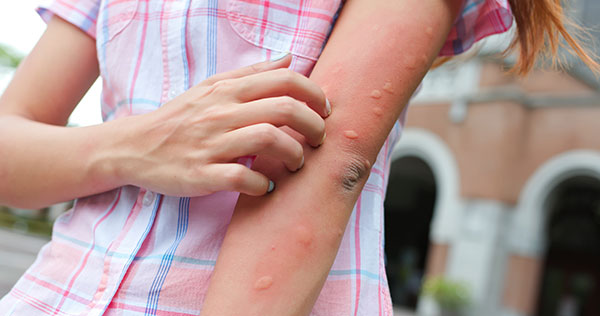 Mosquitoes, fire ants, chiggers, and no-see-ums thrive in warm, humid weather. Summer rain can leave standing water, which gives mosquitoes more places to breed. Coastal areas, shaded yards, parks, and wooded spots can also increase exposure.
Most insect bites cause a raised, itchy bump. Some people get larger swelling, blistering, or a stronger reaction.
Try these steps:
- Use EPA-registered insect repellent before outdoor activity.
- Drain standing water near your home.
- Wear long sleeves and pants around dusk or in wooded areas.
- Avoid scratching bites, since broken skin can get infected.
A bite that becomes hot, painful, swollen, draining, or streaked with redness needs medical attention.
Sun Sensitivity And Summer Skin Reactions
Sunburn is not the only summer sun problem. Some people develop itchy bumps, hives, or blister-like reactions after UV exposure. This can happen even without a classic burn.
Sun sensitivity may come from medications, skin care products, autoimmune conditions, or a condition called polymorphous light eruption. If the same rash appears after sun exposure each year, do not guess. Get it checked.
South Florida sun exposure also raises long-term skin health concerns. Regular skin cancer screenings give us a chance to check changing spots and discuss sun protection that fits your skin.
“Patients often think every sun-related reaction is a sunburn, but that is not always true,” Dr. Frieder says. “Some rashes need a different treatment plan than aloe and time.”
Sun Sensitivity And Summer Skin Reactions
Sunburn is not the only summer sun problem. Some people develop itchy bumps, hives, or blister-like reactions after UV exposure. This can happen even without a classic burn.
Sun sensitivity may come from medications, skin care products, autoimmune conditions, or a condition called polymorphous light eruption. If the same rash appears after sun exposure each year, do not guess. Get it checked.
South Florida sun exposure also raises long-term skin health concerns. Regular skin cancer screenings give us a chance to check changing spots and discuss sun protection that fits your skin.
“Patients often think every sun-related reaction is a sunburn, but that is not always true,” Dr. Frieder says. “Some rashes need a different treatment plan than aloe and time.”
Dry Skin Can Still Happen In Humid Weather
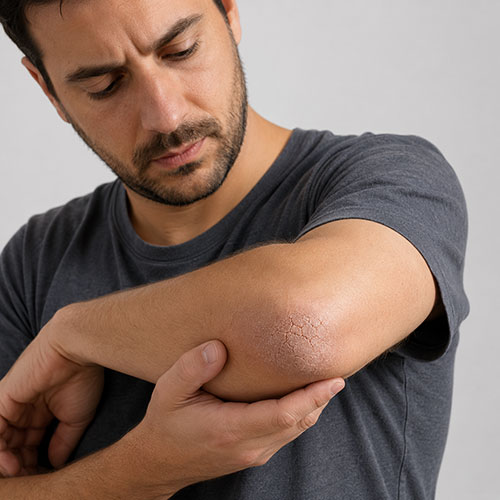 It sounds strange, but summer can dry your skin out. Air conditioning pulls moisture from the air. Pool chlorine can strip oils from the skin. Salt water, extra showers, and harsh soap can make dryness worse.
Dry skin can itch, flake, sting, or make an existing condition flare. People with eczema may notice more irritation after swimming or sweating. Our eczema care can help when dryness turns into repeat inflammation.
To help your skin recover:
- Rinse after swimming.
- Use a gentle cleanser.
- Apply moisturizer while skin is still damp.
- Avoid hot showers after sun or pool exposure.
- Choose fragrance-free skin care when irritation starts.
Outdoor Allergens Common In South Florida Summers
Grass, weeds, plants, and yard debris can irritate sensitive skin. Poison ivy, poison oak, and poison sumac can cause a blistering reaction after urushiol oil touches your skin.
A plant-related skin rash often appears in lines, patches, or streaks where the plant brushed against you. The rash may show up hours later or even a few days after exposure.
Wash your skin and clothing after yardwork, hiking, or brushing against plants. Do not burn poison ivy or related plants, since the oil can become airborne and cause a serious reaction.
Swimmer’s Itch And Water-Related Irritation
Swimmer’s itch can happen after freshwater exposure in some lakes or ponds. It comes from a skin reaction to microscopic parasites. It usually causes small, itchy bumps after swimming.
You can also itch after pools or ocean water. Chlorine, salt, sand, sunscreen, and wet swimsuits can all irritate the skin.
Rinse off after swimming. Change out of wet clothing. Use moisturizer after showering. If bumps spread, blister, or last more than a few days, it is time to get your skin checked.
Sweat-Induced Hives
Some people develop hives when their body temperature rises. This can happen after exercise, hot weather, stress, spicy food, or hot showers. The condition is often called cholinergic urticaria.
The hives are usually small, itchy bumps that appear quickly. They may fade after your body cools down.
Repeated hives are one of the reasons itchy skin in the summer should not be ignored. A dermatologist can help sort out hives, eczema, allergic reactions, heat rash, and other causes that may look similar at first.
How To Prevent Summer Itching
You cannot control South Florida weather, but you can reduce common triggers.
Start with these habits:
- Wear loose, breathable clothing.
- Keep your skin cool when you feel prickling or stinging.
- Rinse after heavy sweating, swimming, or yardwork.
- Use broad-spectrum SPF 30 or higher, as recommended by the AAD.
- Apply insect repellent before outdoor time.
- Change out of wet swimsuits and damp workout clothes.
- Moisturize after showers.
- Avoid fragranced products when your skin feels irritated.
If you have sensitive skin, keep your routine simple during summer flares. Too many products can make itching worse.

When You Should See A Dermatologist
See a dermatologist when itching is intense, spreading, painful, blistering, draining, or paired with fever. You should also get care if a skin rash lasts longer than a few days or keeps returning after the same trigger.
A Boca Raton dermatologist can examine your skin, ask about recent exposures, and recommend the right care. Treatment may include prescription creams, antihistamines, infection care, allergy guidance, or a change in your skin routine.
You should also come in if over-the-counter products make the rash worse. Many drugstore creams can irritate sensitive skin when the diagnosis is wrong.
How Frieder Dermatology Can Help In Boca Raton, Palm Beach Gardens, And Pompano Beach
Frieder Dermatology treats medical and cosmetic skin concerns with personal care and a clear plan. Dr. Frieder provides Botox, fillers, laser treatments, skin rejuvenation procedures, acne care, psoriasis treatment, eczema treatment, skin cancer treatments, and other skin care treatments. Dr. K also treats the full spectrum of skin concerns, from complex conditions to cosmetic goals.
You can learn more about our dermatology team and cosmetic dermatology treatments before your visit. Our goal is to identify the cause of your itching, calm the reaction, and help you prevent the next flare.
“Patients should not have to spend the whole summer guessing what is wrong with their skin,” says Jillian H. Frieder, MD, FAAD. “Once we know the trigger, we can build a plan that gives the skin a better chance to stay calm.”
If itchy skin in the summer keeps coming back, schedule an appointment with Frieder Dermatology. A quick exam can help you get answers before the next South Florida heat wave makes your skin feel worse.
FAQs About Summer Itching
Why Do I Itch After Sweating?
Sweat can irritate the skin or become trapped under blocked sweat ducts. This may lead to heat rash, prickling, or hives.
Can Bug Bites Cause A Rash?
Yes. Bug bites can cause red bumps, swelling, itching, blistering, or a stronger allergic reaction in some people.
Can The Sun Make My Skin Itch Without A Sunburn?
Yes. Sun sensitivity can cause itchy bumps, hives, or red patches after UV exposure, even if your skin does not look burned.
When Should I Call Frieder Dermatology?
Call Frieder Dermatology when itching is severe, spreading, painful, blistering, infected, or lasting more than a few days. You should also schedule care for repeated seasonal flare-ups.
Click here or call us at (561) 210-7310 to schedule your consultation. Your journey toward healthier, more radiant skin starts with that first call.
About the Author
Dr. Jillian Frieder is a board-certified dermatologist providing cosmetic and medical dermatology services in Boca Raton, Palm Beach Gardens, and Pompano Beach. A graduate with Distinction from Wayne State University and a member of Alpha Omega Alpha, she completed her dermatology residency at Baylor University Medical Center, where she served as Chief Resident.